
Canada’s agri food processing industries are crucial to the country’s economy. With a strong demand for labor in these sectors, Canada is continually seeking to attract skilled workers to fill key roles. The Agri-Food Pilot Program, introduced by the Government of Canada, offers a dedicated immigration pathway for workers in agriculture and food processing to gain permanent residence. This program aims to address labor shortages in these industries and provide a pathway for foreign workers to build a future in Canada.
In this article, we will delve into the details of the Agri-Food Pilot Program, highlighting its purpose, eligibility criteria, application process, and real-life success stories of individuals who have successfully immigrated through this program. This guide will be especially beneficial for agricultural workers who are considering immigrating to Canada and are eager to learn more about this opportunity. A team of professionals can help you go a long way with your immigration application.
Program Overview: Purpose and Goals of the Agri-Food Pilot Program
The Agri-Food Pilot Program was launched in May 2020 as part of Canada’s broader strategy to address labor shortages in the agriculture and food processing sectors. The program is designed to help employers in Canada’s agri-food industry recruit and retain foreign workers to fill positions that are critical to the functioning of the sector.
Primary Goals of the Agri-Food Pilot Program:
- Address Labor Shortages: Many rural communities in Canada are experiencing significant labor shortages in the agri-food sector. This program is designed to help fill these gaps by attracting workers with the necessary skills.
- Facilitate Permanent Residence: The Agri-Food Pilot provides a pathway to permanent residence for foreign workers employed in eligible agricultural and food processing occupations.
- Promote Economic Growth in Rural Areas: By targeting workers for industries based in rural areas, the pilot program supports the growth and sustainability of communities that rely heavily on agriculture.
- Streamline the Immigration Process: The program offers a more straightforward and faster immigration process for qualified workers, helping them integrate into Canada’s workforce.
The Agri-Food Pilot program is a long-term solution designed to create stability in Canada’s agricultural sector, which relies heavily on temporary and seasonal workers. Through this pilot, the Canadian government aims to provide a reliable workforce while offering workers the opportunity to make Canada their permanent home.
Eligible Occupations: Which Agricultural and Food Processing Jobs Qualify?

One of the most crucial aspects of the Agri-Food Pilot Program is determining which occupations are eligible for the program. The pilot is specifically aimed at addressing labor shortages in certain agricultural and food processing jobs.
Eligible Occupations in the Agri-Food Pilot:
The following sectors and job positions qualify for the Agri-Food Pilot:
1. Animal Production
- Farm workers: Those working in animal husbandry, including cattle ranchers, dairy farmers, and poultry farm workers.
- Animal caretakers: Workers who manage and care for livestock on farms and ranches.
2. Crop Production
- Farm workers: Those who assist with planting, harvesting, and maintaining crops, including vegetable, fruit, and grain crops.
- Greenhouse workers: Workers involved in the production of vegetables, flowers, and other plants in controlled environments.
3. Food Processing
- Butchers: Workers who prepare, cut, and package meat products.
- Food processing laborers: Individuals who work in food manufacturing, such as packaging or assembly-line production for food products.
- Fish plant workers: Workers involved in the processing of seafood products.
- Bakers and pastry chefs: Workers involved in the production of baked goods, often in a commercial setting.
4. Agricultural Equipment Operators
- Farm machinery operators: Workers responsible for operating machinery to cultivate land, harvest crops, or manage irrigation systems.
These roles are considered in-demand in Canada, and the Agri-Food Pilot is specifically designed to provide a clear pathway to permanent residence for individuals working in these occupations. If you have experience in any of these fields and are seeking to immigrate to Canada, this pilot program may be the right fit for you.
Application Process: Steps Involved in Applying for the Agri-Food Pilot Program
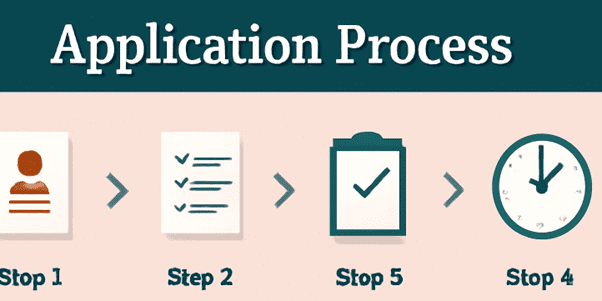
The Agri-Food Pilot Program is designed to streamline the immigration process for skilled agricultural and food processing workers. While the process is generally straightforward, applicants must follow a series of steps to ensure their application is successful.
Step 1: Obtain a Valid Job Offer
The first step in the process is securing a full-time, non-seasonal job offer from a Canadian employer in one of the eligible occupations mentioned above. The employer must be located in a rural or northern area of Canada and must meet the program’s criteria.
Step 2: Meet the Eligibility Criteria
Once a valid job offer has been secured, applicants need to confirm that they meet the following eligibility requirements:
- Work Experience: Applicants must have at least one year of full-time work experience (or an equivalent part-time experience) in an eligible occupation within the last three years. The experience must be relevant to the job offer provided by the Canadian employer.
- Language Proficiency: Applicants must demonstrate proficiency in English or French through a standardized language test. The required language test scores depend on the NOC skill level of the job (for NOC C or D jobs, the minimum requirement is CLB 4).
- Education: Applicants must have at least a high school diploma. If they completed their education outside Canada, they will need to get an Educational Credential Assessment (ECA) to confirm that their education is equivalent to Canadian standards.
Step 3: Submit an Application for Permanent Residence
Once eligibility is confirmed, the next step is to submit an application for permanent residence to Immigration, Refugees, and Citizenship Canada (IRCC). Applicants must include all required documentation, such as:
- Job offer letter from a designated employer.
- Proof of work experience and educational qualifications.
- Language proficiency test results.
- Valid passport or travel documents.
Step 4: Wait for Processing
After submitting the application, applicants will need to wait for it to be processed by IRCC. The processing time can vary depending on the individual’s case and the volume of applications being processed. Applicants may be asked for additional information or documents during this time.
Step 5: Receive Confirmation of Permanent Residence
If the application is approved, applicants will receive a Confirmation of Permanent Residence (COPR), which allows them to proceed with completing the immigration process and settling in Canada.
Consult ICAN Immigration Law Group now and compile your application with expert analysis.
Conclusion
The Agri-Food Pilot Program is an excellent opportunity for agricultural workers and food processing professionals who want to live and work in Canada. By providing a direct pathway to permanent residence, this program supports the Canadian agriculture industry and helps fill crucial labor shortages in rural areas.
For skilled workers in eligible occupations, the Agri-Food Pilot offers a clear and straightforward process to build a future in Canada. Whether you’re an experienced farm worker, food processing laborer, or agricultural equipment operator, this program could be the key to starting a new chapter in your career and life.
If you meet the eligibility criteria, securing a job offer from a designated employer and following the application process could help you achieve your goal of becoming a permanent resident of Canada through the Agri-Food Pilot Program.
Frequently Asked Questions (FAQs)
What is the Agri-Food Pilot Program?
The Agri-Food Pilot Program is an immigration pathway for skilled workers in agriculture and food processing to gain permanent residence in Canada. It aims to fill labor shortages in these key sectors, especially in rural areas.
Who is eligible for the Agri-Food Pilot Program?
Eligibility requires a valid job offer from a Canadian employer in eligible agricultural or food processing occupations, work experience, language proficiency, and a minimum high school diploma.
What occupations qualify under the Agri-Food Pilot Program?
Eligible occupations include farm workers, animal caretakers, greenhouse workers, butchers, bakers, food processing laborers, farm machinery operators, and more.
How do I apply for the Agri-Food Pilot Program?
To apply, secure a valid job offer from a designated employer, meet the eligibility criteria, submit an application for permanent residence, and wait for processing by IRCC.
Do I need to prove language proficiency to apply?
Yes, applicants must demonstrate proficiency in English or French through a standardized language test, with the required scores depending on the job’s National Occupational Classification (NOC) level.
What is the processing time for the Agri-Food Pilot Program?
Processing times can vary based on individual circumstances and the volume of applications. Applicants may be asked for additional information during the process.
What happens after my application is approved?
Once approved, applicants will receive a Confirmation of Permanent Residence (COPR), allowing them to finalize their immigration process and settle in Canada.