
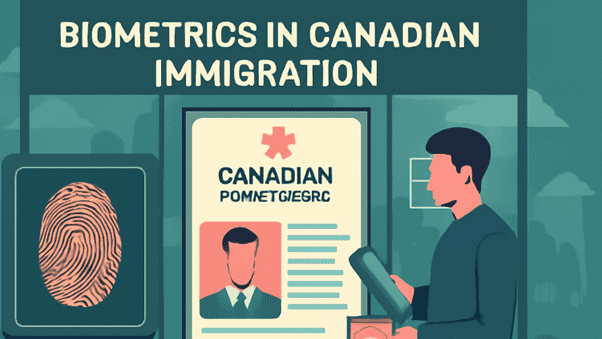
In the modern world, technology plays a crucial role in ensuring that immigration systems are both secure and efficient. One of the most significant technological advancements used by immigration authorities globally is biometric data collection. In the context of Canadian immigration, biometrics such as fingerprints and photographs are essential elements of the application process for many individuals seeking to enter or remain in Canada.
While the process of providing biometrics is well known among frequent travelers and applicants, many new immigrants and potential applicants may not fully understand the importance of this requirement or how it affects their application. This blog post aims to clarify the role of biometrics in Canadian immigration applications by explaining what biometrics are, when they are required, how to submit them, and the consequences of failing to provide them on time.
What Are Biometrics?
Biometrics are unique physical or behavioral characteristics that can be used to identify an individual. In the context of Canadian immigration, biometrics typically include:
1. Fingerprints
Fingerprints are one of the most common forms of biometric data collected by the Canadian immigration authorities. The process involves taking digital fingerprints that can be used to confirm the identity of the applicant. This helps to ensure that applicants are not using false or fraudulent identities.
2. Photographs
Alongside fingerprints, applicants are usually required to submit a digital photograph as part of the biometric data. The photograph must meet specific requirements to ensure that it can be used effectively for identity verification and security checks.
The main purpose of collecting this biometric data is to enhance the security of the immigration process. It allows the Canadian government to cross-check records in databases to confirm the identity of applicants and to detect any potential risks or security issues. Biometrics also help in speeding up the processing of immigration applications and reducing the chance of fraud.
When Are Biometrics Required?
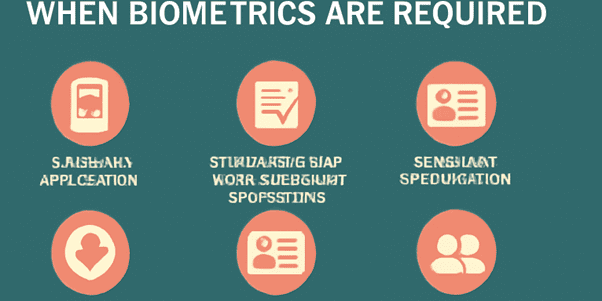
Biometric data is not required for every single immigration application to Canada. However, many types of applications necessitate the submission of biometric data. Understanding when biometrics are required is critical for applicants to avoid delays or complications in their immigration journey.
1. Visitor Visa Applications
Visitors to Canada (tourists, business travelers, or individuals attending family events) who are from countries where biometrics are required must provide their biometric data as part of their application.
2. Study Permit and Work Permit Applications
Individuals applying for study permits or work permits will likely need to provide biometric information. Biometrics are typically required if the applicant is from a country where biometric collection is mandatory.
3. Permanent Resident Applications
Most applicants seeking permanent residency in Canada through economic streams (such as Express Entry or Provincial Nominee Programs) will also need to provide biometrics. Biometrics help the Canadian government process the application more efficiently, cross-checking information with law enforcement databases.
4. Citizenship Applications
Applicants for Canadian citizenship may also be asked to provide biometric data as part of the application process. However, biometrics may not be required for individuals applying on the basis of being a minor or those who have previously submitted biometrics during an earlier application.
5. Temporary Resident Permits
For individuals seeking to remain temporarily in Canada, biometrics may also be requested to validate the application and ensure there are no security concerns.
6. Family Sponsorship Applications
Family members who are sponsored for permanent residency may also be required to submit biometrics. This is part of the process to ensure that they do not pose any security risks and that they are who they claim to be.
Exceptions:
There are certain exceptions for biometrics, including individuals who are under the age of 14 or over the age of 79. Additionally, some countries are exempt from the biometrics requirement altogether, depending on international agreements.
How to Submit Biometrics
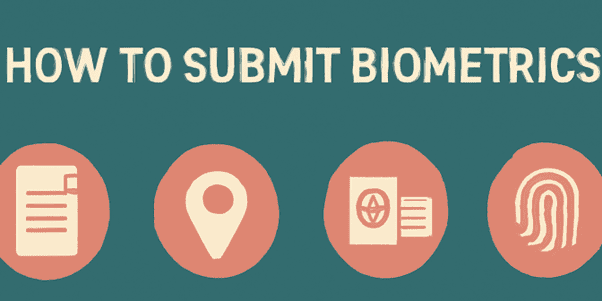
Once it is determined that biometrics are required for a specific application, the next step is to submit the biometric data. Submitting biometrics is a straightforward process, but it does require careful attention to detail to ensure that the data is collected correctly.
1. Biometric Instruction Letter
Once your immigration application is submitted and biometrics are required, you will receive a Biometric Instruction Letter (BIL) from the Immigration, Refugees and Citizenship Canada (IRCC). This letter will provide you with all the necessary details, including instructions on where and how to submit your biometrics.
2. Biometrics Collection Locations
Biometrics can be collected at various biometric collection centers around the world. These centers are usually operated by third-party service providers, such as VFS Global or Teleperformance.
- In Canada: Applicants can visit a local biometric collection center, which is typically located in major cities.
- Outside of Canada: International applicants will be directed to a biometric collection center in their home country or a nearby country.
The Biometric Instruction Letter will specify the nearest center where you can submit your data.
3. What to Bring
When you go to submit your biometric information, it is important to bring:
- A valid passport or government-issued photo ID.
- The Biometric Instruction Letter issued by the IRCC.
- Any applicable fees for biometric submission (the fee is usually paid when you submit your immigration application).
4. The Submission Process
At the biometric center, the process will involve having your fingerprints scanned and a digital photograph taken. The staff at the center will guide you through the process, ensuring that all data is captured accurately.
The biometric data is then sent to the IRCC for processing and cross-checking with various security and law enforcement databases. This process is usually completed fairly quickly, and you will receive a confirmation once your biometrics have been processed.
Implications of Missing Biometrics: Consequences of Failing to Provide Biometrics on Time
It is important to note that failing to submit biometrics on time or submitting incorrect biometric information can lead to delays or even rejection of your immigration application. Understanding the consequences of missing or delaying your biometrics submission is crucial for the success of your application.
1. Processing Delays
Failure to submit biometrics when requested will lead to significant delays in the processing of your immigration application. IRCC will not begin processing your application until your biometrics are provided. This could mean waiting for months longer than expected for a decision.
2. Application Refusal
If you fail to submit your biometrics within the timeframe specified in your Biometric Instruction Letter, your application may be deemed incomplete and refused. If your application is refused due to missing biometrics, you will need to reapply and pay the application fees again.
3. Increased Processing Time
In some cases, applicants who submit biometrics late may experience longer processing times. IRCC has to manually check and update the information, which can cause unnecessary delays in the overall processing.
4. Rejection Due to Incorrect Biometrics
If the biometric data you submit is incorrect or fails to meet the requirements (e.g., poor-quality fingerprints or photographs), the IRCC may request that you submit new biometrics. This can delay your application process and may also lead to additional fees.
5. Impact on Future Applications
Failure to submit biometrics could negatively impact your ability to apply for other immigration programs or re-enter Canada in the future. The Canadian government relies on biometrics to verify identity and background, and failure to comply could raise concerns about your reliability and trustworthiness. Consult ICAN Immigration Law Group now and compile your application with expert analysis.
Conclusion
Biometric data collection plays a critical role in Canada’s immigration system, helping authorities ensure the security and efficiency of the process. By understanding what biometrics are, when they are required, how to submit them, and the potential consequences of missing or submitting incorrect biometrics, applicants can ensure a smoother and more successful immigration journey.
If you are applying for immigration to Canada, be sure to carefully review the biometric requirements for your application and follow the instructions provided by IRCC. By submitting your biometric data promptly and correctly, you will help facilitate a faster and more streamlined immigration process.
Frequently Asked Questions (FAQs)
What are biometrics in Canadian immigration?
Biometrics in Canadian immigration refer to the collection of unique physical characteristics, typically fingerprints and photographs, used for identity verification and security checks as part of the application process.
When are biometrics required for Canadian immigration applications?
Biometrics are required for various types of Canadian immigration applications, including visitor visas, study and work permits, permanent resident applications, citizenship, and family sponsorships.
How do I submit my biometrics for Canadian immigration?
Once biometrics are required, you will receive a Biometric Instruction Letter (BIL) from the IRCC. The letter provides details on where and how to submit your biometrics at designated collection centers.
What happens if I fail to submit biometrics on time?
Failure to submit biometrics on time can result in significant delays, application refusal, and additional fees. Your immigration application will not be processed until biometrics are received.
Are there any exceptions to the biometric requirement?
Certain individuals, such as those under the age of 14 or over 79, may be exempt from providing biometrics. Additionally, some countries may have exemptions based on international agreements.
Can biometrics impact my future immigration applications?
Yes, failing to submit biometrics or submitting incorrect biometrics can lead to delays and may negatively impact your future applications, as the Canadian government uses biometrics to verify your identity and background.
What should I bring when submitting biometrics?
When submitting biometrics, bring a valid passport or government-issued ID, your Biometric Instruction Letter, and any applicable biometric submission fees.