Canada is one of the top destinations for international students, offering world-class education, multicultural experiences, and ample post-graduation opportunities. If you’re considering studying in Canada, it’s essential to understand the process of obtaining a study permit Canada and transitioning into a Post-Graduation Work Permit (PGWP). This guide will walk you through the requirements, benefits, and pathways for international students to successfully navigate their way from study permits to work permits and, eventually, permanent residency.
The ICAN Immigration Law Group has helped countless students with their immigration and work permit applications, and this guide will include insights based on their expertise.
Why Study in Canada?
Canada has become one of the most attractive study destinations worldwide, and for good reason. The country boasts top-tier universities and colleges, including the University of Toronto, McGill University, and the University of British Columbia, which are globally recognized for their research and academic programs. But it’s not just about the academic excellence — Canada offers a diverse, welcoming environment for students from around the globe. Here are some of the reasons why international students flock to Canada:
- High-Quality Education: Canadian institutions are renowned for their high academic standards and research output.
- Affordable Tuition: Compared to other study destinations like the United States or the UK, Canada offers more affordable tuition fees.
- Multicultural Environment: Canada is known for its welcoming attitude towards international students, offering a rich multicultural experience.
- Post-Graduation Opportunities: Canada offers opportunities for students to stay and work after graduation through the Post-Graduation Work Permit program.
Before diving into how you can study and work in Canada, let’s first look at the process of obtaining a Study Permit.
Obtaining a Study Permit: The First Step
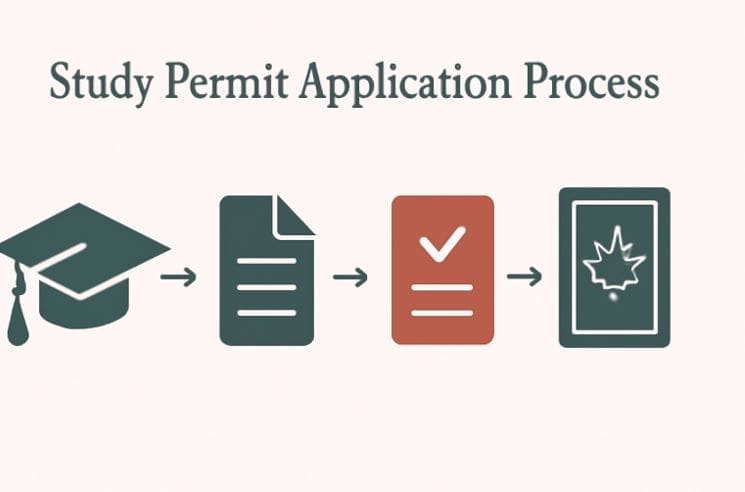
To study in Canada for more than six months, international students need a study permit. This permit is a document issued by the Government of Canada that allows students to enroll in designated learning institutions (DLIs) across the country. Here’s a step-by-step guide on how to apply for your study permit:
Step 1: Determine Eligibility
Before applying for a study permit, ensure you meet the eligibility criteria. Key requirements include:
- Acceptance from a Designated Learning Institution (DLI): You must have a letter of acceptance from a DLI in Canada. The institution will provide you with the necessary documentation.
- Proof of Funds: You need to show you have sufficient funds to cover tuition fees, living expenses, and return transportation.
- No Criminal Record: You may be asked to provide a police certificate proving you have no criminal background.
- Health Requirements: Depending on your home country, you may need a medical exam to prove you’re in good health.
Step 2: Gather Required Documents
The required documents for a study permit application typically include:
- A valid passport or travel document.
- Proof of acceptance from a DLI (e.g., the acceptance letter).
- Proof of sufficient funds to cover tuition and living expenses for yourself and any accompanying family members.
A letter of explanation, which outlines your intentions to study in Canada and comply with the conditions of your permit.
Step 3: Apply for the Study Permit
You can apply for a study permit either online or at your local Canadian visa office. The ICAN Immigration Law Group recommends applying well in advance of your intended start date, as processing times can vary. If applying online, you will need to create a profile, upload the required documents, and pay the application fee.
Once your application is submitted, the Canadian visa office will review your case and notify you of any additional requirements. If your application is approved, you will receive a Port of Entry (POE) Letter of Introduction, and you’ll need to show it to the Canadian immigration officer upon arrival.
Student Direct Stream (SDS): Fast-Tracking Your Study Permit Application
For students from specific countries, Canada offers the Student Direct Stream (SDS), a faster processing option for study permit applications. The SDS is available to students from countries such as India, China, the Philippines, and others.
Benefits of the SDS:
- Faster Processing Times: SDS applicants can expect faster processing times, often within 20 days.
- Fewer Document Requirements: Compared to the regular study permit process, SDS applicants may have fewer documents to submit.
- Proof of Language Proficiency: SDS applicants must provide proof of a minimum language score (e.g., IELTS or TEF) as part of their application.
To qualify for SDS, applicants must meet specific criteria, including a language score of at least 6.0 in each band for IELTS and provide proof of payment for the first year of tuition fees.
Work While Studying: Opportunities for International Students
Once you have received your study permit, Canada allows international students to work while studying. This gives students the opportunity to gain valuable Canadian work experience and support themselves financially during their studies.
On-Campus Work
If you’re a full-time student, you can work on-campus at any Canadian institution without the need for a separate work permit. On-campus jobs may include roles within the university or college, such as research assistantships or working in the library.
Off-Campus Work
In addition to on-campus work, international students are eligible to work off-campus for up to 20 hours per week during regular academic sessions and full-time during scheduled breaks (e.g., winter and summer holidays). To work off-campus, students must apply for an Off-Campus Work Permit and comply with the conditions attached to their permit.
Post-Graduation Work Permit (PGWP): Transitioning from Study to Work
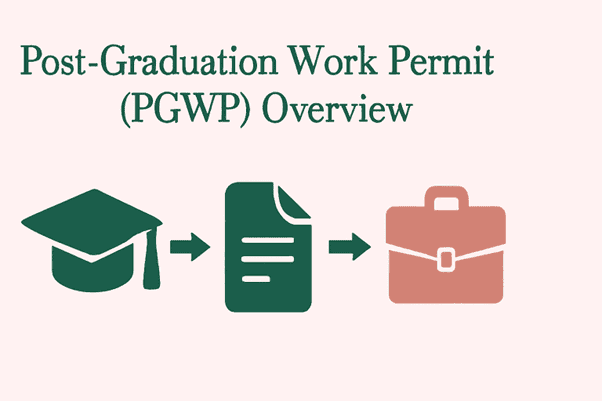
The Post-Graduation Work Permit (PGWP) allows international students who have completed a program of study in Canada to gain valuable work experience. The PGWP is one of the most attractive aspects of studying in Canada, as it opens the door to further career opportunities and can serve as a stepping stone to permanent residency.
Eligibility for PGWP
To be eligible for a PGWP, you must meet the following criteria:
- You must have completed a program of study at a DLI that lasted at least eight months.
- You must have maintained full-time student status throughout your studies.
- You must apply for the PGWP within 180 days of receiving your final transcript or official letter from your institution confirming that you’ve completed your program.
The duration of your PGWP depends on the length of your study program. For example, if you completed a program of study that lasted two years, you could be eligible for a work permit of up to two years.
Transitioning to Permanent Residency: Pathways for Graduates
After completing your studies and gaining work experience in Canada through the PGWP, you may be eligible to apply for permanent residency through one of several pathways:
1. Express Entry System
If you have Canadian work experience and meet the eligibility requirements, you can apply for permanent residency through the Express Entry system. The Canadian Experience Class (CEC) stream is a popular option for international graduates, as it specifically targets individuals who have gained Canadian work experience.
2. Provincial Nominee Program (PNP)
Another option is applying through a Provincial Nominee Program (PNP). Each province has its own criteria for nominating immigrants for permanent residency, and many provinces prioritize graduates with Canadian work experience.
3. Quebec Experience Program (PEQ)
If you studied in Quebec and worked in the province, you may be eligible for the Quebec Experience Program (PEQ), which is a fast-track pathway to permanent residency for individuals with education and work experience in Quebec.
Challenges and Solutions for International Students
While studying in Canada offers great opportunities, international students may face some challenges along the way. Here are some common hurdles and how to overcome them:
1. Financial Stress
Studying abroad can be expensive, and managing tuition fees and living expenses can be stressful. To overcome this, students should explore scholarships, part-time work options, and financial assistance programs available through their institution.
2. Language Barriers
For students whose first language isn’t English or French, language barriers can be a challenge. To mitigate this, students should improve their language skills through language courses, practice, and seeking help from language centers at their institution.
3. Work Permit Restrictions
While working part-time during studies is allowed, there are restrictions on the number of hours you can work. To make the most of your time in Canada, students should focus on finding a job related to their field of study to gain relevant work experience.
Conclusion: Your Pathway from Study to Permanent Residency

Studying in Canada is an incredible opportunity, and with the right guidance, international students can successfully navigate the process of obtaining a study permit, transitioning to a work permit, and eventually applying for permanent residency. By understanding the steps, preparing well in advance, and seeking professional help from experienced immigration law firms like the ICAN Immigration Law Group, you can increase your chances of success in Canada.
Ready to start your journey in Canada? Start Your Canadian Education Journey with our free study permit assessment tool today!
Frequently Asked Questions (FAQs)
What is a Study Permit in Canada?
A Study Permit is an official document issued by the Government of Canada that allows foreign nationals to study at designated learning institutions (DLIs) in Canada.
How can I apply for a Study Permit in Canada?
To apply for a Study Permit, you need to have a letter of acceptance from a DLI, proof of sufficient funds, and meet other eligibility criteria. Applications can be submitted online or at a local visa office.
What is the Student Direct Stream (SDS)?
The SDS is a program that allows students from certain countries to apply for a study permit with faster processing times and fewer document requirements.
Can I work while studying in Canada?
Yes, international students can work on-campus without a work permit and off-campus with a work permit, provided they meet the eligibility criteria.
What is a Post-Graduation Work Permit (PGWP)?
A PGWP allows international students who have completed a program of study at a DLI to work in Canada after graduation.
How can I apply for a PGWP?
To apply for a PGWP, you must have completed a program of study that lasted at least eight months and apply within 180 days of receiving your final transcript.
What are the pathways to permanent residency after a PGWP?
Graduates can apply for permanent residency through programs like the Express Entry system, Provincial Nominee Program (PNP), or Quebec Experience Program (PEQ), depending on their qualifications and work experience.